

What research says
3 studies · 2 reviews · summaries checked against each study · How we choose studies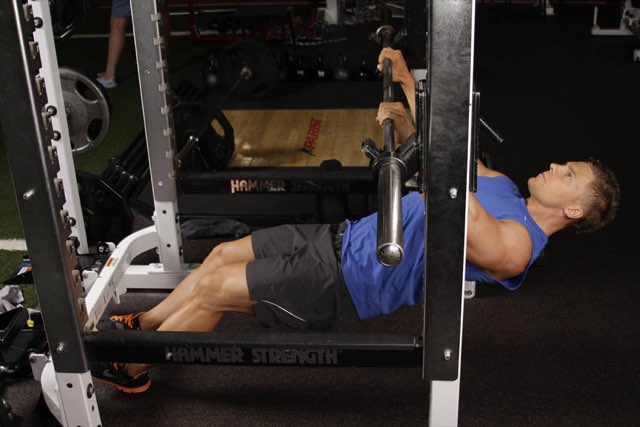
Checked automatically against the study
Doing inverted rows on straps didn't clearly work muscles harder than regular rows.
Upper-body and core muscles worked from moderate (21–40% of max) to very high (over 60%) on straps; rows on straps weren't harder than regular rows.
This was a review of 18 studies with active people. They used sensors on the skin to measure how hard muscles work during strap exercises. Most strap moves worked the upper body and core harder than their regular versions. The inverted row was the exception, and results varied a lot between studies.
Who took partActive people; how many, men or women, and their age aren't given.LimitsResults varied a lot between studies.It measured how hard muscles work, not muscle growth.The search only went up to January 2017.
Why this bandA review that pooled 18 studiesTests this exerciseAmong the top 4% most cited papers of its age
- Use straps or a fixed bar for your rows, whichever you have.
- Don't switch to straps just to make your rows harder.
- Kind of study
- A review
- Studies pooled
- 18
- What they looked at
- Muscle activity
Original title: Muscle activation in suspension training: a systematic review
Aguilera-Castells J, Buscà B, Fort-Vanmeerhaeghe A, Montalvo AM, Peña J · Sports Biomechanics · Thu Jun 14 2018 · DOI 10.1080/14763141.2018.1472293
Checked automatically against the study
Inverted rows on straps ranked among the top moves for the back of your shoulders.
33 studies reviewed; strap rows ranked near the top for the back of the shoulder, but no size of effect was reported.
This was a review of 33 studies. They used sensors on the skin to measure how hard each part of the shoulder muscle works. For the back of the shoulder, pull-ups came out on top. The inverted row on suspension straps was one of the hardest single moves for that muscle.
Who took partThe abstract doesn't sayLimitsIt measured how hard muscles work, not muscle growth or strength over time.Exercises were ranked by averaging results from different studies.
Why this bandA review that pooled 33 studiesOnly mentions this exercise in passingAmong the top 7% most cited papers of its age
- Add inverted rows on straps when you want to work the back of your shoulders.
- Pair them with pull-ups if you want both of the moves that ranked highest for that area.
- Kind of study
- A review
- Studies pooled
- 33
- What they looked at
- Muscle activity
Original title: Activation of the three deltoid muscle portions during common strengthening exercises: A systematic review
Rabello R, Bertozzi F, Hauschild de Freitas IL and others · Journal of Bodywork and Movement Therapies · Tue Dec 13 2022 · DOI 10.1016/j.jbmt.2022.12.002
Checked automatically against the study
Inverted rows also make your lower back and tummy muscles work.
Lower back muscles worked at 54–66% of their max effort; tummy muscles at 34–40%.
A group of 26 healthy people did inverted rows on steady and wobbly surfaces in one session. Sensors on the skin measured how hard their back, shoulder and core muscles worked. The muscles around the shoulder blades worked together in a balanced way. The lower back muscles worked fairly hard, and the tummy muscles worked a moderate amount.
Who took part26 healthy people; men or women, age and training experience not given.LimitsSmall group.A one-session lab test, not training over weeks.It measured how hard muscles work, not growth or strength.
Why this bandA one-off lab test of 26 peopleAbout this exercise: it’s in the titleAmong the top 12% most cited papers of its age
- Keep your body straight and braced like a plank through each rep.
- Count on inverted rows to give your trunk some work, too.
- Kind of study
- A lab study
- People
- healthy adults
- What they looked at
- Muscle activity
Original title: Scapular muscle balance and spinal stabilizer recruitment during an inverted row
Youdas JW, Hubble JW, Johnson PG and others · Physiotherapy Theory and Practice · Tue Jun 26 2018 · DOI 10.1080/09593985.2018.1486491
How studies shape Body CEO
Every summary here is checked against its study before it appears: the numbers come from the study, with no promises. 316 studies in use, across 97 exercises, and this one was last checked for new research on Fri Nov 13 2026. How we review research
- 1 · FoundOn PubMed, checked for retractions
- 2 · WeighedScored Strong, Moderate or Early
- 3 · ReadPut in plain words, every number checked
- 4 · Shapes your planStrong and Moderate takeaways guide sets, reps and rest
- 5 · Eliza cites itReads our approved studies first, with the study linked