

Research on Inverted Row · Every study we found · How we choose studies
Checked automatically against the study
Inverted Row: Straps Didn't Clearly Raise Muscle Activity
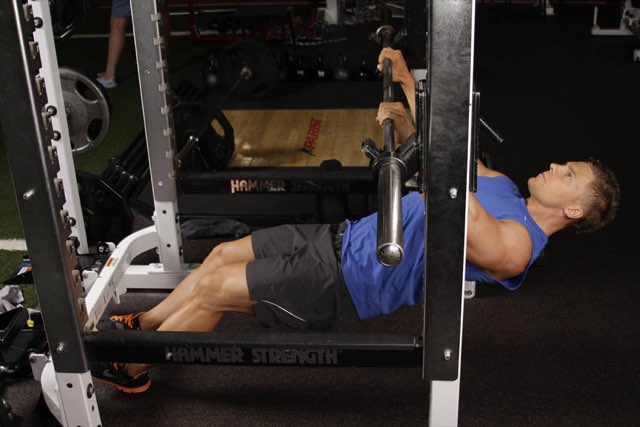
Doing inverted rows on straps didn't clearly work muscles harder than regular rows.
Upper-body and core muscles worked from moderate (21–40% of max) to very high (over 60%) on straps; rows on straps weren't harder than regular rows.
This was a review of 18 studies with active people. They used sensors on the skin to measure how hard muscles work during strap exercises. Most strap moves worked the upper body and core harder than their regular versions. The inverted row was the exception, and results varied a lot between studies.
Who took partActive people; how many, men or women, and their age aren't given.LimitsResults varied a lot between studies.It measured how hard muscles work, not muscle growth.The search only went up to January 2017.
Why this bandA review that pooled 18 studiesTests this exerciseAmong the top 4% most cited papers of its age
- Use straps or a fixed bar for your rows, whichever you have.
- Don't switch to straps just to make your rows harder.
- Kind of study
- A review
- Studies pooled
- 18
- What they looked at
- Muscle activity
Original title: Muscle activation in suspension training: a systematic review
Aguilera-Castells J, Buscà B, Fort-Vanmeerhaeghe A, Montalvo AM, Peña J · Sports Biomechanics · Thu Jun 14 2018 · DOI 10.1080/14763141.2018.1472293