

Research on Inverted Row · Every study we found · How we choose studies
Checked automatically against the study
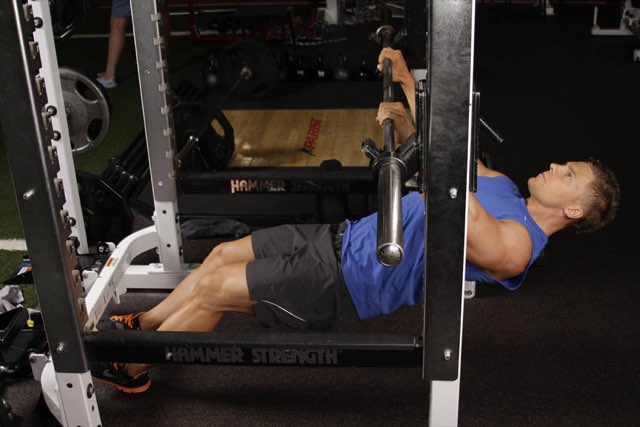
Inverted rows also make your lower back and tummy muscles work.
Lower back muscles worked at 54–66% of their max effort; tummy muscles at 34–40%.
A group of 26 healthy people did inverted rows on steady and wobbly surfaces in one session. Sensors on the skin measured how hard their back, shoulder and core muscles worked. The muscles around the shoulder blades worked together in a balanced way. The lower back muscles worked fairly hard, and the tummy muscles worked a moderate amount.
Who took part26 healthy people; men or women, age and training experience not given.LimitsSmall group.A one-session lab test, not training over weeks.It measured how hard muscles work, not growth or strength.
Why this bandA one-off lab test of 26 peopleAbout this exercise: it’s in the titleAmong the top 12% most cited papers of its age
- Keep your body straight and braced like a plank through each rep.
- Count on inverted rows to give your trunk some work, too.
- Kind of study
- A lab study
- People
- healthy adults
- What they looked at
- Muscle activity
Original title: Scapular muscle balance and spinal stabilizer recruitment during an inverted row
Youdas JW, Hubble JW, Johnson PG and others · Physiotherapy Theory and Practice · Tue Jun 26 2018 · DOI 10.1080/09593985.2018.1486491