

Research on Sumo Deadlift · Every study we found · How we choose studies
Checked automatically against the study
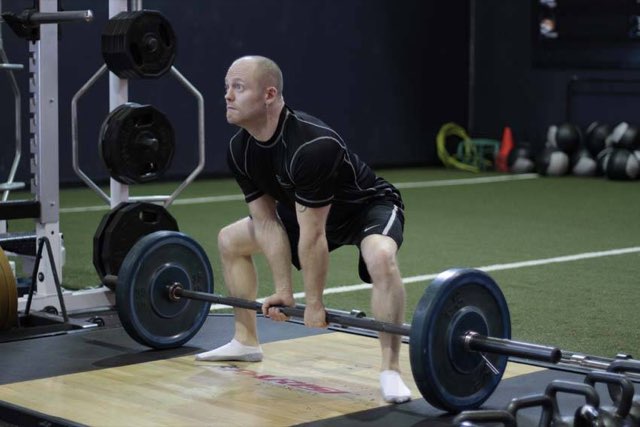
Sumo Deadlift used a wider stance and more upright back than conventional style.
Sumo Deadlift lifters stood about twice as wide (100% wider stance) as conventional lifters.
This study filmed 40 lifters at the 1999 Special Olympics World Games. It compared Sumo Deadlift with the conventional style, and more skilled lifters with less skilled ones. Sumo lifters stood wider, held the bar with narrower hands and kept a more upright back. The more skilled lifters kept the bar closer to their body.
Who took part40 Special Olympics powerlifters; the abstract doesn't say men or women, age or training experienceLimitsOnly Special Olympics lifters took part.Lifters were filmed once at a competition, not followed over training.It looked at movement, not strength gains or injuries.
Why this bandCompared 40 people at one point in timeTests this exercisePeople who already trainAmong the top 12% most cited papers of its age
- If you lift in Special Olympics powerlifting, keep the bar close to your body during Sumo Deadlift. The more skilled lifters in this study did this.
- Kind of study
- A one-time comparison
- People
- Special Olympics powerlifters
- What they looked at
- How you move
Original title: Biomechanical analysis of the deadlift during the 1999 Special Olympics World Games
Escamilla RF, Lowry TM, Osbahr DC, Speer KP · Medicine and Science in Sports and Exercise · Wed Aug 1 2001 · DOI 10.1097/00005768-200108000-00016