

Research on Sumo Deadlift · Every study we found · How we choose studies
Checked automatically against the study
Sumo deadlifts work the front of your thighs more and need more side-to-side control.
30 lifters tested at 85% of the most they could lift once; no size of effect was reported.
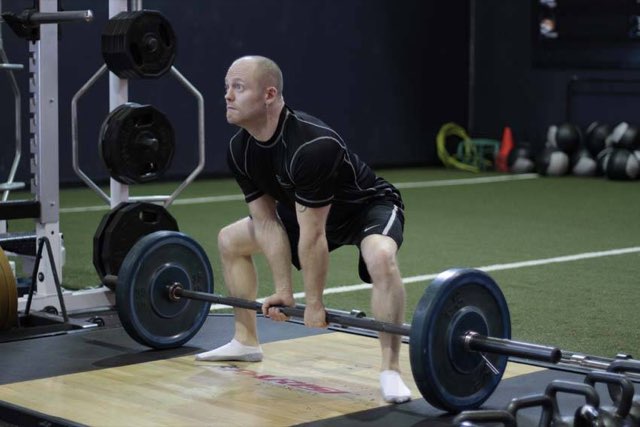
Thirty experienced male lifters did sumo and conventional deadlifts with a heavy weight in a lab. Sensors on the skin measured how hard muscles worked, and joint movement and forces were tracked. Sumo had more side-to-side and twisting movement and load at the hips and knees. The front of the thigh worked harder early in the lift, while conventional worked the back of the thigh more.
Who took part30 experienced men; no women. Age not stated.LimitsOnly men took part.It measured one heavy session in a lab, not muscle growth over weeks.Muscle work was measured with skin sensors, not real strength gains.
Why this bandA one-off lab test of 30 peopleAbout this exercise: it’s in the titlePeople who already trainIn a recognised free-to-read journal (DOAJ)
- Use sumo when you want more work for the front of your thighs, and add conventional deadlifts if you want more hamstring work.
- Keep your hips and knees steady and controlled, because sumo asks more of them from side to side.
- Kind of study
- A lab study
- People
- experienced male lifters
- What they looked at
- Muscle activity, how you move
Original title: Biomechanical analysis of conventional and sumo deadlift
Hanen NC, Ben Mansour K, Ertel GN, Duchene Y, Gauchard GC · Frontiers in Bioengineering and Biotechnology · Tue May 27 2025 · DOI 10.3389/fbioe.2025.1597209