

Research on Inverted Row · Every study we found · How we choose studies
Checked automatically against the study
Inverted rows on a portable bar worked your back, biceps and shoulders very hard.
Lats, biceps, lower traps and rear shoulders worked above 61% of their max effort in all four versions.
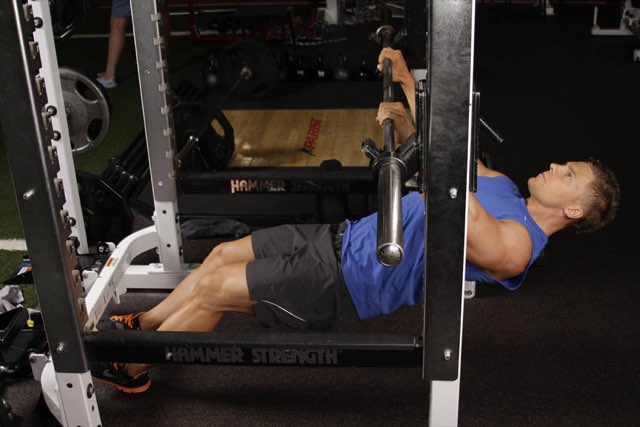
Thirteen men and thirteen women did four versions of the inverted row on a portable pull-up bar. They tried an overhand and underhand grip, with both feet or one foot down. Sensors on the skin measured how hard nine muscles worked. Your lats, biceps, lower traps and rear shoulders worked very hard in every version, and lifting one leg made no difference.
Who took part13 men and 13 women; age and training experience not given.LimitsSmall group.A one-session lab test, not training over weeks.It measured how hard muscles work, not muscle growth.
Why this bandA one-off lab test of 26 peopleAbout this exercise: it’s in the titleAmong the top 13% most cited papers of its age
- Use either grip, as both worked your back hard; the grip changed how much the lats worked a little.
- Keep both feet down, since lifting one leg didn't make any muscle work harder.
- Kind of study
- A lab study
- People
- men and women
- What they looked at
- Muscle activity
Original title: Activation of Spinal Stabilizers and Shoulder Complex Muscles During an Inverted Row Using a Portable Pull-up Device and Body Weight Resistance
Youdas JW, Keith JM, Nonn DE, Squires AC, Hollman JH · Journal of Strength and Conditioning Research · Fri Jul 1 2016 · DOI 10.1519/jsc.0000000000001210