

What research says
2 studies · summaries checked against each study · How we choose studies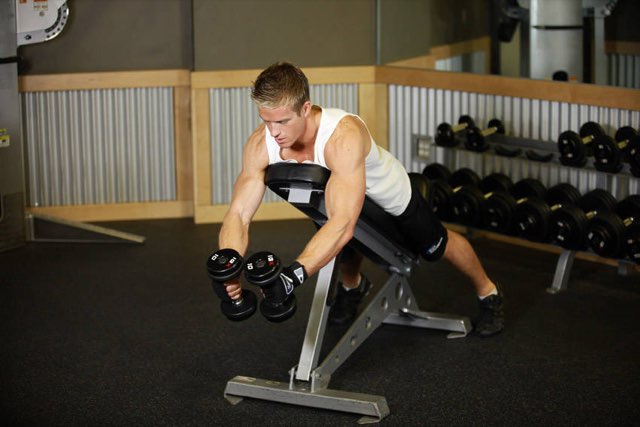
Checked automatically against the study
A palms-facing grip made your rear delts work harder on the reverse fly machine.
Rear delts worked harder with a palms-facing grip than palms down; 19 men took part, and no single size of effect was given.
Nineteen men who already lift tried the reverse fly machine with palms facing each other and with palms facing down. Each man did sets to failure at about 75% of his body weight. Sensors on the skin measured how hard the muscles worked. The rear delts and a rotator cuff muscle at the back of the shoulder worked a little harder with the palms-facing grip.
Who took part19 trained men from a university; no womenLimitsSmall group, and only men.It measured how hard muscles worked in one session, not muscle growth or strength over time.Only the machine version was tested.
Why this bandA one-off lab test of 19 peopleAbout this exercise: it’s in the titlePeople who already trainAmong the top 13% most cited papers of its age
- Use the handles that let your palms face each other when you do the reverse fly machine.
- Try this grip if you want your rear delts to do more of the work.
- Kind of study
- A lab study
- People
- young men who lift weights
- What they looked at
- Muscle activity
Original title: Effect of hand position on EMG activity of the posterior shoulder musculature during a horizontal abduction exercise
Schoenfeld B, Sonmez RG, Kolber MJ and others · Journal of Strength and Conditioning Research · Tue Oct 1 2013 · DOI 10.1519/jsc.0b013e318281e1e9
Checked automatically against the study
The band reverse fly worked rear delts more than a slow Tai Chi band move.
Rear delts worked harder in the band reverse fly than in the Tai Chi move; 26 men took part, and no size of effect was reported.
A total of 26 men were split by chance into two groups of 13. One group did a band reverse fly and the other did a slow Tai Chi band move. Cameras tracked their joints and sensors on the skin measured how hard the muscles worked. The reverse fly opened the arms wider and kept the elbows straighter, and it worked the rear delts harder.
Who took part26 men; age and training experience not stated; no womenLimitsSmall group, and only men.One session in a lab, measuring how hard muscles worked, not muscle growth.Each man did only one of the moves, so the groups were compared with each other.
Why this bandA one-off lab test of 26 peopleTests this exerciseIn a recognised free-to-read journal (DOAJ)
- Open your arms wide out to the sides, with only a soft bend in your elbows, to put the work on your rear delts.
- Know that bending your elbows a lot shifts the work toward your arms instead.
- Kind of study
- A lab study
- People
- men using resistance bands
- What they looked at
- Muscle activity, how you move
Original title: Comparative analysis of biomechanical characteristics between the new Tai Chi elastic band exercise for opening and closing movement and elastic band resistance training for the reverse fly movement
Liu M, Li C, Li X and others · PeerJ · Wed Aug 28 2024 · DOI 10.7717/peerj.17839
How studies shape Body CEO
Every summary here is checked against its study before it appears: the numbers come from the study, with no promises. 316 studies in use, across 97 exercises, and this one was last checked for new research on Fri Nov 13 2026. How we review research
- 1 · FoundOn PubMed, checked for retractions
- 2 · WeighedScored Strong, Moderate or Early
- 3 · ReadPut in plain words, every number checked
- 4 · Shapes your planStrong and Moderate takeaways guide sets, reps and rest
- 5 · Eliza cites itReads our approved studies first, with the study linked