

What research says
3 studies · 1 review · summaries checked against each study · How we choose studiesChecked automatically against the study
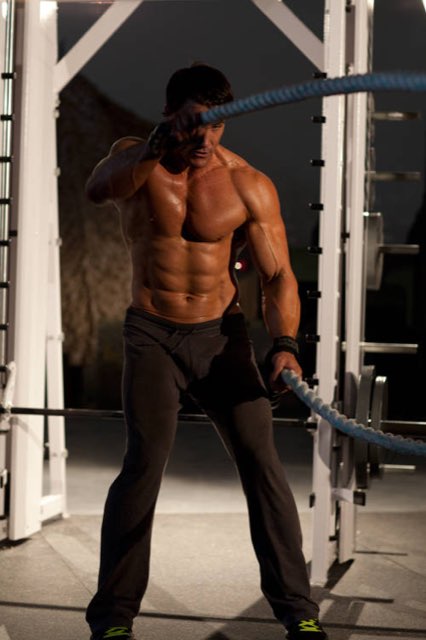
Battle ropes may build upper-body power, grip and core endurance, but less clearly leg power.
Upper-body power went up a lot (a large effect) versus no rope training, across 21 studies.
This was a review that pooled 21 studies with 590 young people aged 11 to 25. Compared with people who didn't do ropes, rope training gave big gains in upper-body power, grip strength, arm endurance and core endurance. Leg power may have gone up too, but the result wasn't clear. The authors say the studies varied a lot, so more research is needed.
Who took part590 people aged 11 to 25: 433 male, 120 female, 37 not stated; a mix of trained and untrainedLimitsThe studies varied a lot, so the results may not hold up.Only young people took part, mostly male.The authors say their checks on who benefits most were only a first look.
Why this bandA review that pooled 21 studiesAbout this exercise: it’s in the titleChildren or teenagers, not adultsIn a recognised free-to-read journal (DOAJ)
- Use battle ropes to build power and stamina in your arms, grip and core.
- Add jumps or other leg work if you want more leg power, because ropes alone may not do it.
- Kind of study
- A review
- Studies pooled
- 21
- What they looked at
- Performance, strength
Original title: Effects of battle rope training on sporting performance: a systematic review and meta-analysis
Cao Y, Luo Y, Nazarudin MN and others · BMC Sports Science, Medicine & Rehabilitation · Sat Aug 15 2026 · DOI 10.1186/s13102-026-01970-9
Checked automatically against the study
One hard Battle Ropes session left basketball players less accurate right after.
Shooting accuracy down 16.9% right after Battle Ropes, compared with before.
Fifteen well-trained male college basketball players did a 30-minute Battle Ropes session in one visit. They worked for 20 seconds and rested for 40 seconds. Right after, their shooting was less accurate and their chest passes were slower, but their jump height stayed about the same. They felt very tired and sore, and blood tests showed they had worked very hard.
Who took part15 well-trained male college basketball players; no women; ages not given.LimitsSmall group of 15 people, all men.Only one session, measured right after.Only basketball players, so it may not apply to everyone.
Why this bandA one-off lab test of 15 peopleAbout this exercise: it’s in the titlePeople who already trainAmong the top 12% most cited papers of its age
- Kind of study
- A lab study
- People
- trained college basketball players
- What they looked at
- Performance
Original title: Acute Effects of Battle Rope Exercise on Performance, Blood Lactate Levels, Perceived Exertion, and Muscle Soreness in Collegiate Basketball Players
Chen WH, Yang WW, Lee YH and others · Journal of Strength and Conditioning Research · Thu Oct 1 2020 · DOI 10.1519/jsc.0000000000002661
Checked automatically against the study
A single battle rope session kept heart rate up and lowered blood pressure afterwards.
Blood pressure was lower 10 and 30 minutes after 10 rounds of ropes; no size of the drop was reported.
Eleven young men whose blood pressure was a bit high tried both a battle rope session and a rest session, in random order. The rope session was 10 rounds of 30 seconds of work and 30 seconds of rest. For 30 minutes after, their heart rate stayed up and their blood pressure was lower. Nothing changed after the rest session. This was a small, single-day study.
Who took part11 young men with slightly high blood pressure; no women; training experience not statedLimitsVery small group.Only men took part.It measured a single session, not weeks of training.
Why this bandA one-off lab test of 11 peopleAbout this exercise: it’s in the titleAmong the top 12% most cited papers of its age
- Try 10 rounds of 30 seconds on and 30 seconds off for a short, hard session.
- Talk to a health professional if you have concerns about your blood pressure.
- Kind of study
- A lab study
- People
- young men with slightly high blood pressure
- What they looked at
- Performance
Original title: Cardiac autonomic and blood pressure responses to an acute session of battling ropes exercise
Wong A, Bergen D, Nordvall M, Allnutt A, Bagheri R · Physiology & Behavior · Sun Sep 6 2020 · DOI 10.1016/j.physbeh.2020.113167
How studies shape Body CEO
Every summary here is checked against its study before it appears: the numbers come from the study, with no promises. 316 studies in use, across 97 exercises, and this one was last checked for new research on Fri Nov 13 2026. How we review research
- 1 · FoundOn PubMed, checked for retractions
- 2 · WeighedScored Strong, Moderate or Early
- 3 · ReadPut in plain words, every number checked
- 4 · Shapes your planStrong and Moderate takeaways guide sets, reps and rest
- 5 · Eliza cites itReads our approved studies first, with the study linked